
Understanding the psychology behind gambling behavior and its impact on decision-making
The Allure of Gambling: An Introduction to Psychological Drivers
Gambling has long captivated individuals with its promise of excitement and the potential for significant rewards. The psychology behind gambling behavior reveals a complex interplay of emotions and cognitive processes. Factors such as risk-taking, thrill-seeking, and the desire for social interaction significantly drive individuals to engage in both online and offline gambling activities. Many enthusiasts often turn to resources like jet4betcasinos.com to enhance their understanding of these concepts.
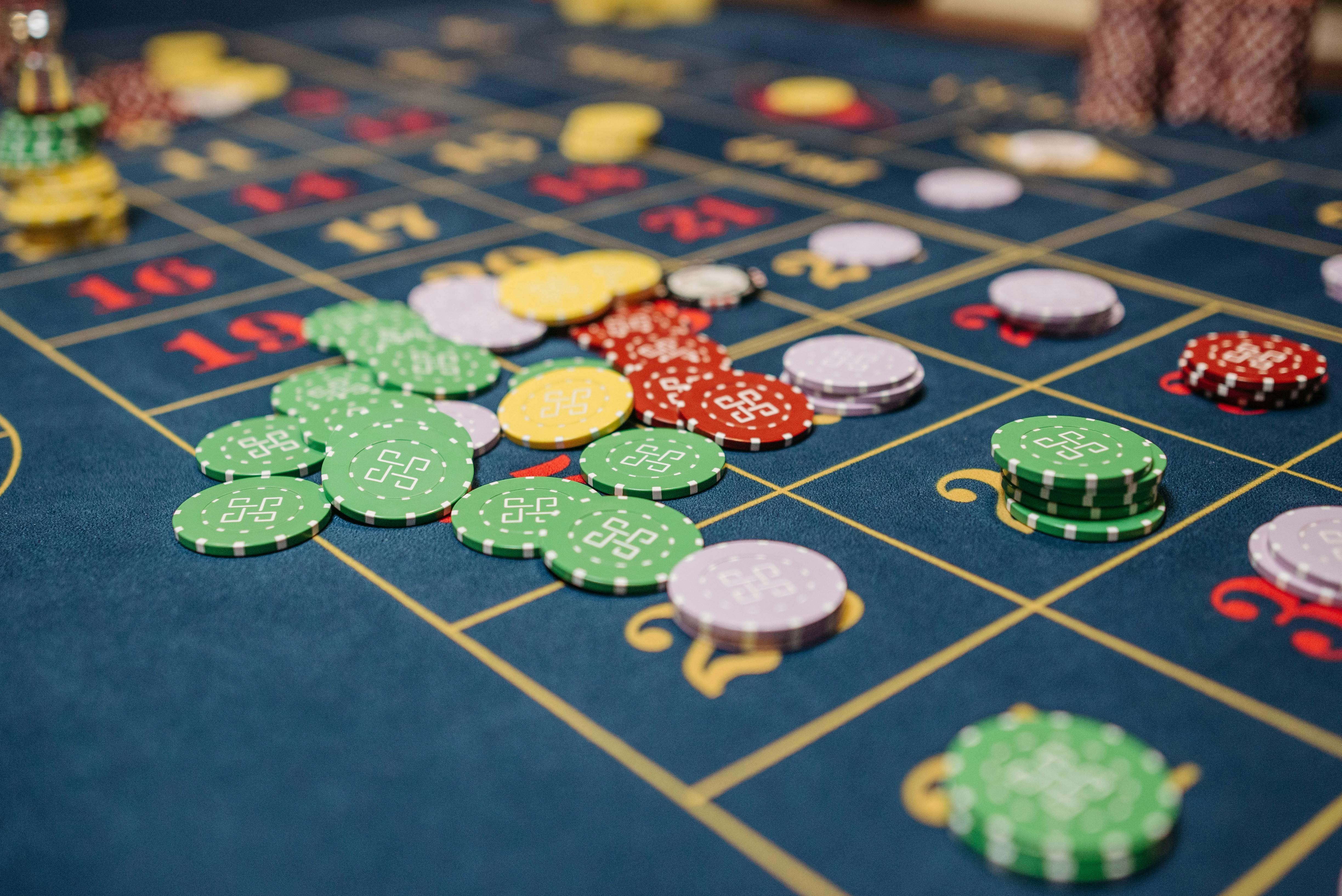
The allure of gambling is often heightened by the perception of control, where players believe they can influence outcomes through skill or strategy. This illusion can lead to increased engagement, as gamblers frequently rationalize their decisions based on past wins or losses. Understanding these psychological drivers is essential for grasping why people gamble and how it influences their decision-making.
The Role of Cognitive Biases in Gambling Decisions
Cognitive biases play a pivotal role in shaping gambling behavior. Many gamblers exhibit a tendency to overestimate their abilities and predict outcomes based on selective memory. This phenomenon, known as the “gamblers’ fallacy,” leads individuals to believe that past results influence future outcomes, despite the randomness of games like roulette or slot machines.
Additionally, the “availability heuristic” often causes players to give more weight to recent wins or losses, thereby distorting their perception of risk. Such biases not only affect decision-making during gambling sessions but also contribute to the development of gambling disorders, as individuals may chase losses and make increasingly irrational choices.
The Impact of Emotions on Gambling Choices
Emotions play a significant role in gambling behavior, influencing decision-making in both positive and negative ways. For many, the thrill of winning triggers feelings of euphoria, which can reinforce the desire to gamble. Conversely, losing can lead to negative emotions such as frustration and desperation, prompting individuals to gamble more in an attempt to recover losses.
Furthermore, the impact of social dynamics cannot be overlooked. The communal atmosphere of offline casinos can amplify excitement, while the isolation of online gambling may lead to different emotional responses. Understanding how emotions affect gambling decisions is crucial for identifying harmful patterns and encouraging healthier behaviors.
The Differences Between Online and Offline Gambling
Online gambling has transformed the landscape of betting, making it more accessible and appealing to a broader audience. The psychological impact of online gambling differs significantly from that of traditional casinos. The ease of access, anonymity, and lack of immediate social interaction can lead to increased gambling frequency and intensity.
In contrast, offline gambling often provides a tactile experience, with physical surroundings that contribute to the overall excitement. Social interactions in casinos can mitigate feelings of isolation and may lead to more responsible gambling practices. Understanding these differences is essential for developing targeted interventions to help individuals manage their gambling behaviors effectively.

Resources and Support for Responsible Gambling
This website is dedicated to providing valuable insights and resources to foster understanding of gambling behavior. By exploring the psychology behind gambling, we aim to raise awareness about responsible gambling practices and the potential risks involved. Through educational articles and expert advice, we encourage individuals to make informed decisions when engaging in gambling activities.
We believe that knowledge is power. By offering information on cognitive biases, emotional impacts, and the distinctions between online and offline gambling, our goal is to equip individuals with the tools needed to navigate their gambling experiences more responsibly. Explore our resources for a deeper understanding of gambling behavior and its effects on decision-making.
